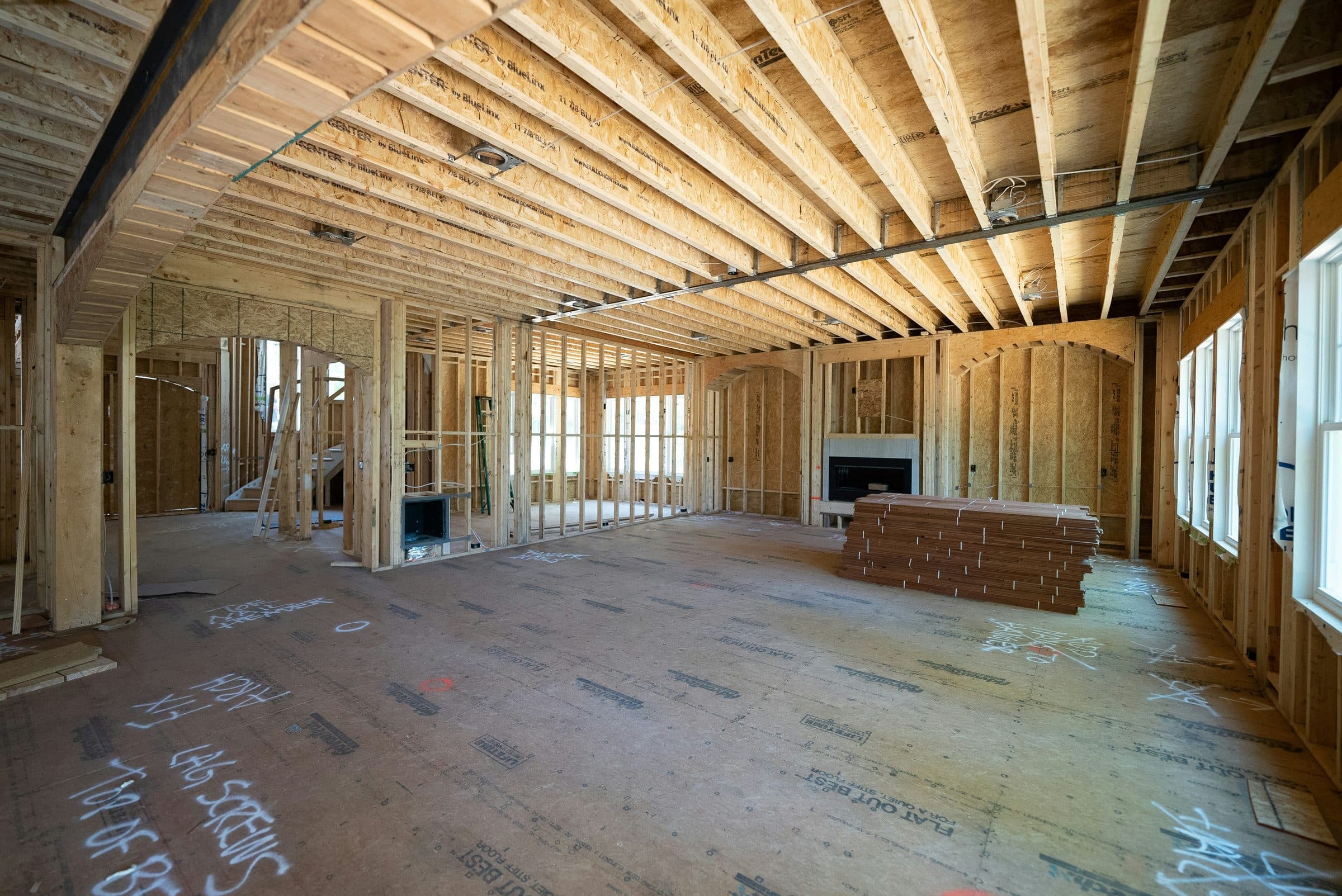
ADU inspections at a glance
Once your permit is issued, the building department sends inspectors to check the work against the approved plans and the building code. You don't pick which inspections apply; the permit and plans set them. If you haven't got a permit yet, start with the ADU permit process in San Diego.
Three things are worth knowing up front. First, the city says it's the contractor's or owner's job to schedule every required inspection, and construction isn't approved until inspection staff accept it. Second, work has to be inspected before it's covered: no insulation over unapproved framing, no drywall over unapproved insulation. Third, standard inspections are included in your permit fees; you pay extra only for after-hours, weekend or guaranteed-time visits, or for reinspections.
The ADU inspection checklist
The City of San Diego's list of inspection types sets out the usual order. Not every ADU needs every step: a single-story unit on a slab skips the floor-system inspections, and a garage conversion may skip the foundation. The table covers the inspections a new detached ADU typically gets.
| Inspection | When to call for it | What has to be ready |
|---|---|---|
| Pre-construction meeting (if required) | Before any work starts | Required for some projects, such as demolition or higher storm water risk |
| Underground | After trenches are dug | Underground plumbing, electrical, mechanical and storm water lines installed; systems under test |
| Foundation | Before the concrete pour | Excavation, forms, rebar and hardware inserts in place |
| First floor system (raised floors) | After floor framing | Rough plumbing and electrical in the floor; no insulation or sheathing yet |
| Second floor system (two-story ADUs) | After upper floor framing | Framing, hardware and floor sheathing installed |
| Exterior wall framing | After walls are framed | Framing, doors, windows and penetration flashing complete |
| Roof system | After roof framing and sheathing | Each roof layer approved before the next goes on |
| All frame and rough | Before insulation | Framing plus rough electrical, plumbing, mechanical and any fire sprinklers |
| Insulation | Before drywall | Building weather-tight; insulation installed and secured |
| Lath or gypsum board | Before taping, stucco or siding | Lath or drywall hung; shower pan water test |
| Fire sprinkler final (if required) | Near completion | Piping and heads installed, braced and finished |
| Final inspection | After everything else is approved | All work complete and all other approvals cleared |
Some ADUs also need inspections the city doesn't perform itself. Special inspections (for example, of certain concrete, welding or engineered connections) are done by a city-certified special inspector, and structural observations are done by the architect or engineer of record. Both are in addition to the city's visits, not instead of them. Your approved plans will say if you need them.
Does my ADU need fire sprinklers?
In the City of San Diego, the city's ADU bulletin says an ADU needs automatic fire sprinklers if the main house has them, and a detached ADU doesn't trigger sprinklers in the main house unless the building code requires it. The same bulletin notes that a detached ADU may also need solar panels under the state energy code. If either applies, expect its inspection on the schedule. A two-story ADU adds the upper floor system inspection.
Scheduling building inspections in San Diego
The city takes requests online and by phone. Its inspections page sets the basics:
- Online, 24/7. Permits submitted on or after March 1, 2021 are scheduled in the city's Accela portal; older permits use OpenDSD. You need the project's Inspection Contact number, which works as a PIN.
- By phone, 24/7. The automated line is 858-581-7111. Grading and right-of-way inspections use a separate line, 619-446-5242.
- At least one business day ahead. Inspections run on weekdays between 8:30 a.m. and 3:30 p.m. Heavy volume can push some to a later day.
- Get a time window. Leave a phone number in the “Comments for Inspector” box and the inspector calls before 10 a.m. on the day with an estimated arrival.
Information Bulletin 120 adds the fine print. To get an inspection on the next business day by phone, request it by 10 p.m. the night before. Live help is at 858-581-7111, option 0, from 7 a.m. to 3 p.m. on weekdays. You can cancel online or on the automated line, except on the day of the inspection, when you have to call during business hours.
| Option | What you get | Cost |
|---|---|---|
| Standard | Next available weekday slot, with a call-ahead window | Included in permit fees |
| Guaranteed next-day | Up to 30 minutes on your chosen day, no set time; request by noon the business day before | Extra fee |
| Before or after hours | Up to two hours outside the inspector's day, if available | Extra fee |
| Nights, weekends, holidays | Up to two hours, with two business days' notice | Extra fee |
| Virtual (Microsoft Teams) | Listed smaller items on single-family, duplex and townhome permits | Free during business hours |
Paid options are requested on form DS-167. The virtual list covers items such as water heaters, electrical panels up to 400 amps and EV chargers; check the current list on the city's inspections page before you rely on one.
Why an inspection shows as “unavailable”
The portal blocks some requests. The bulletin lists the usual causes: the permit isn't issued, invoices are unpaid, dependent approvals haven't cleared, an earlier inspection hasn't passed, open corrections, or a hold or stop-work order. An ADU stuck here for weeks is worth asking your contractor about directly.
Getting ready for an inspection
A visit can fail on access or paperwork alone. The city requires:
- An adult 18 or older on site to let the inspector in, with pets secured.
- The approved plans and the inspection record card on site.
- Work still exposed. Anything that needs a permit has to be seen before it's covered or concealed.
- An OSHA-compliant ladder or scaffolding for roof and attic access, good lighting and a safe path; crawl spaces dry and clear.
- Electrical panels and junction boxes open. Inspectors won't open boxes or take equipment apart.
- When they apply: the storm water plan, manufacturer installation instructions, an Electrical Circuit Card (DS-1779) for circuits not on the plans, an SDG&E service order for electrical upgrades, and special inspection reports.
- Gate codes and a phone number given to the inspector in advance.
When an inspection fails
If work doesn't pass, the inspector leaves a Correction Notice (DS-13) listing what to fix; the work stays open until it passes. The city may charge a reinspection fee when work isn't ready, earlier corrections weren't made, work was covered before inspection, the inspector couldn't get in, or the record card or plans weren't on site. No further inspections happen until fees are paid. If you disagree with a call, you can ask for a second opinion through the inspector or Inspection Services.
Reinspection fees from your contractor's mistakes are a contract question, not a city one. Say who pays them in your contract. Repeated failures on basic items are one of the ADU builder red flags worth acting on early.
Tying payments to inspections
A passed inspection is the most objective proof you have that a stage of work is done. The state license board's ADU fact sheet says progress payments must reflect work actually completed or materials delivered, and its sample schedule splits an ADU into 11 milestones. Matching each milestone to the city inspection that confirms it gives you a clean rule: no payment until the card is signed.
| Milestone | Share of price | Inspection that confirms it |
|---|---|---|
| Mobilization | 5% | None; pay once crews and equipment are on site |
| Demolition and site prep | 10% | Underground, where trenching is part of site prep |
| Foundation | 10% | Foundation |
| Framing | 15% | Exterior wall framing and roof system |
| Rough plumbing, electrical and mechanical | 15% | All frame and rough |
| Roof and exterior wrap | 15% | Roof system (each layer) |
| Insulation and drywall | 10% | Insulation, then lath or gypsum board |
| Flooring, tile and cabinets | 10% | None; confirm on a walk-through |
| Finish trades and carpentry | 5% | None; confirm on a walk-through |
| Final inspection | 3% | Final |
| Keys after punch list | 2% | Punch list signed off |
Put the rule in writing. Our ADU contract checklist covers how to write a payment schedule, and the same approach works for loan draws if a lender is paying the builder.
What to check yourself at each stage
The inspector checks code compliance, not whether the ADU is what you ordered. Walk the site at these points too:
- Before the foundation pour: the footprint matches the approved site plan, including its distance from property lines and the main house.
- At rough-in, before insulation: outlet, switch, light and plumbing fixture locations are where you want them. Moving them after drywall costs far more.
- Before drywall: blocking is in for grab bars, wall-mounted TVs, shelving or cabinets.
- Before the final: finishes match the contract allowances, and every appliance works.
Final inspection for an ADU
The city describes the final inspection as “approval to occupy.” It can only happen after every other dependent approval is complete. For an ADU, that usually means any fire sprinkler final, engineering or site sign-offs, and paperwork such as the insulation installer's Certificate of Compliance (DS-311), which has to be in before the final.
Don't expect a separate certificate in the mail. The City of San Diego doesn't issue a Certificate of Occupancy for single-dwelling units, duplexes or townhomes. The bulletin doesn't name ADUs either way, so ask your inspector what record you'll get, and keep the signed-off inspection card and approved plans with your house records. Anyone can later look up a permit's history by address in the city's Permit Finder.
Final inspection checklist for the owner
- Final inspection approved on the record card or in the portal.
- Punch list walked and agreed in writing.
- Unconditional lien releases from the contractor and every subcontractor and supplier who sent you a preliminary notice.
- Appliance manuals, warranties and the final as-built plans handed over.
- A Notice of Completion recorded with the county within 15 days. The state license board explains it shortens the time subcontractors and suppliers have to file a lien from 90 days to 30.
Hold the last payments until those are done. The license board's sample ADU payment schedule ties 3% of the price to the final inspection and the last 2% to handing over the keys after the punch list. Our guide to mechanics liens in California covers lien releases in detail.
Inspections keep your permit alive
Inspections aren't just quality checks; they're what keeps the permit valid. Under the city's permit expiration rules (April 2026):
| Rule | Deadline |
|---|---|
| First inspection of substantial work | Within one year of permit issuance |
| Gap between inspections | Permit is void if work stops for 180 days |
| Maximum life (detached one- and two-family homes and accessory structures) | Three years from issuance |
| Extension | Up to 180 days, for delays beyond your control; request on form DS-117 |
Storm water, status, pre-construction and “customer request” inspections don't count as using the permit. If the permit expires before the final, all work has to stop until a new permit is issued under the fees and rules in effect then. That's why a stalled job, or a builder who stops showing up, is a real risk to an ADU. If you're choosing a builder now, our guide on how to hire an ADU contractor covers the payment rules, and you can check a contractor's license or browse verified ADU builders in San Diego.
Outside the City of San Diego, the order of inspections is similar because the building code is statewide, but scheduling systems, phone lines and deadlines differ. Check your own city's or county's building department.
Common questions
What ADU inspections are required?
How do I schedule building inspections in San Diego?
What happens at the final inspection for an ADU?
Do ADU inspections cost extra?
What if my ADU fails an inspection?
Can my ADU permit expire during construction?
Sources
- City of San Diego Development ServicesTypes of inspections
- City of San Diego Development ServicesInformation Bulletin 120: Project Inspections (October 2025)
- City of San Diego Development ServicesInspections
- City of San Diego Development ServicesInformation Bulletin 117: Building Permit Expiration and Extensions (April 2026)
- City of San Diego Development ServicesInformation Bulletin 585: Certificate of Occupancy (August 2026)
- City of San Diego Development ServicesInformation Bulletin 400: Accessory Dwelling Units (January 2026)
- City of San DiegoEasily access permits with new online Permit Finder tool
- Contractors State License BoardFast Facts: Accessory Dwelling Units (Rev. 11/2025)
- Contractors State License BoardHow to prevent a mechanics lien
General information, not legal or financial advice. Rules and fees change; confirm with your city's permit office before you rely on them.