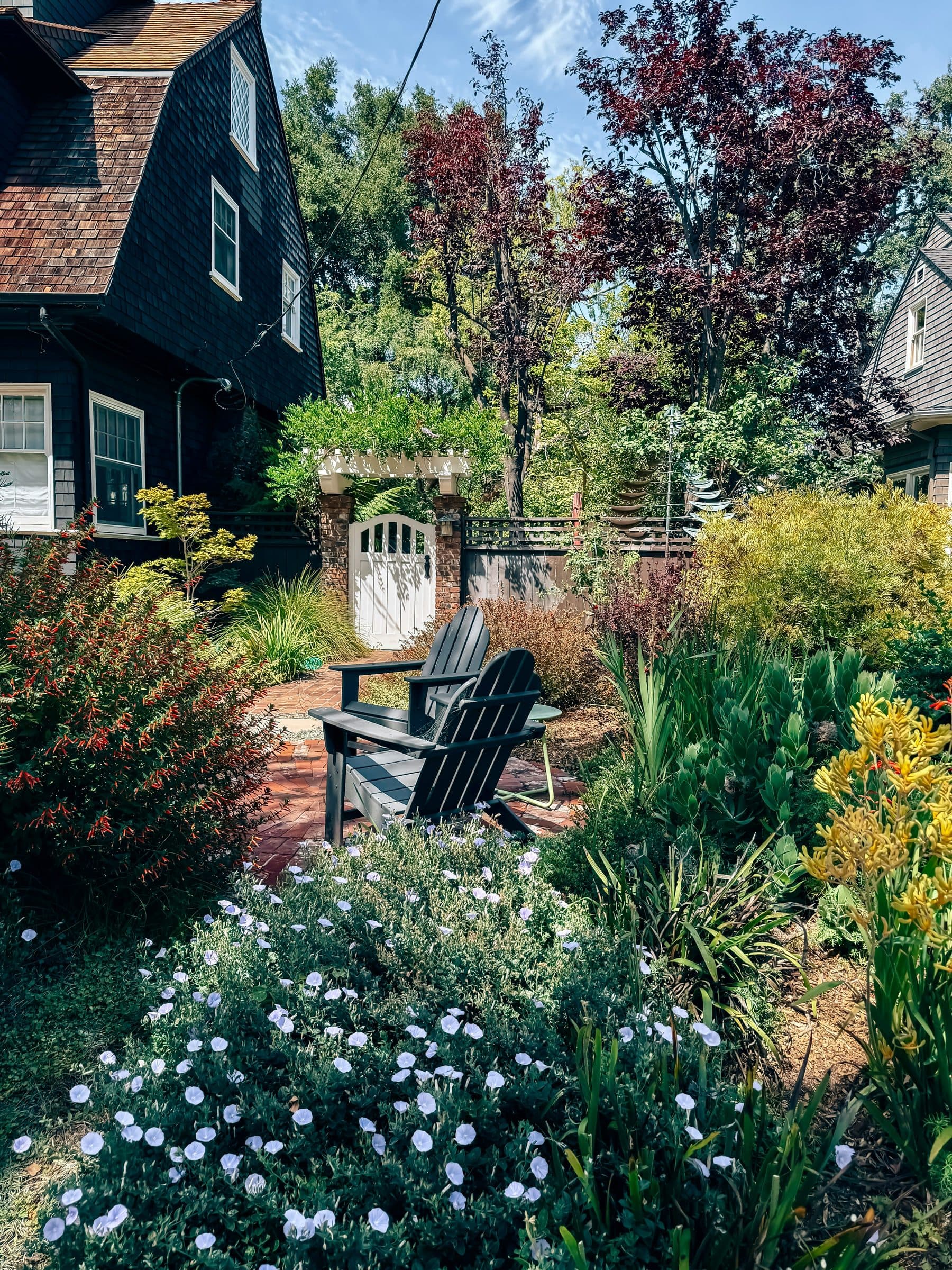
What is a granny flat?
A granny flat is a self-contained home with its own kitchen, bathroom and sleeping space, built on the same lot as a main house. The name comes from the classic use: a place for an aging parent to live close to family. Today people build them for parents, adult children, caregivers and renters.
California's housing department says ADUs “have been known by many names: granny flats, in-law units, backyard cottages, secondary units and more.” The Association of Bay Area Governments adds “casitas” to the list. For a broader overview, see our guide to what an ADU is.
| Name you hear | Usually means | Legal category |
|---|---|---|
| Granny flat | Small home for a parent or relative, often in the backyard | ADU or JADU |
| In-law unit | Apartment for in-laws, often attached or above a garage | ADU or JADU |
| Casita | Spanish for "little house"; a detached backyard unit | ADU |
| Backyard cottage | Detached unit behind the main house | ADU |
| Second unit / secondary unit | The older legal term, used before 2017 | ADU |
| Converted garage | Living space built inside an existing garage | ADU (or JADU if attached and 500 sq ft or less) |
Granny flat vs ADU vs JADU
There is no separate “granny flat” permit in California. When you apply, your project will be one of two things. An ADU is an attached or detached unit with complete independent living facilities, including permanent provisions for living, sleeping, eating, cooking and sanitation, on a lot with a house. A junior ADU is a unit of up to 500 square feet built inside a single-family home, which may share a bathroom with the house and needs only an efficiency kitchen. Our junior ADU guide covers the smaller option in detail.
| ADU | Junior ADU (JADU) | |
|---|---|---|
| Where it goes | Detached, attached, or converted space | Inside the walls of a single-family home |
| Size | 800 sq ft detached is guaranteed; many cities allow more | 500 sq ft or less |
| Kitchen | Full kitchen | Efficiency kitchen |
| Bathroom | Its own | Its own or shared with the house |
| How many on a single-family lot | One conversion plus one new detached | One, in addition to ADUs |
| Owner must live on the property | No | Only if it shares a bathroom with the house |
Sources: Government Code sections 66313, 66321, 66323, 66315 and 66333, and the HCD ADU Handbook.
Granny flats in California law
Because a granny flat is an ADU, it gets every protection in state ADU law. On a single-family lot you can build one ADU inside the house or an existing structure, one new detached ADU of up to 800 square feet with 4-foot side and rear setbacks, and one junior ADU. A city can't set its maximum ADU size below 850 square feet, or 1,000 for a unit with more than one bedroom. Detached units can be at least 16 feet tall.
There is no owner-occupancy requirement for an ADU. Starting January 1, 2027, single-family lots can have two detached ADUs under AB 956. Our guide to California ADU laws covers parking, setbacks, permit deadlines and fees in full.
A short history of California's granny flat law
California's second-unit law, Government Code section 65852.2, was enacted in 1982 and amended in 1986, 1990, 1994 and 2002. A 1983 newspaper report called them “granny” units and described a law requiring all local governments to make provisions for second-unit housing. The 2002 amendment, AB 1866, required cities with a second-unit ordinance to approve applications ministerially, without a discretionary hearing, from July 1, 2003.
In 2016, SB 1069 replaced the term “second unit” with “accessory dwelling unit” throughout the law. That's why your permit says ADU, even if everyone in the family calls it the granny flat.
ADUs for seniors and multigenerational living
The legislature's own findings say ADUs provide housing for family members, students, the elderly, in-home health care providers, the disabled and others, at below-market prices within existing neighborhoods. AARP's 2024 Home and Community Preferences survey found that one in four homeowners 50 and older have thought about building an ADU on their property.
Common multigenerational setups
- Parent in the granny flat, family in the house. The parent keeps a separate front door and kitchen while staying close.
- Downsizing in place. Older owners move into the ADU and rent the main house, or let an adult child take it over. There is no rule that the owner live in either unit.
- A caregiver on site. A live-in aide gets private quarters a few steps away.
- A junior ADU instead. If a bedroom suite or attached garage is already there, a JADU of up to 500 square feet can be a lower-cost way to add a private unit.
Designing a granny flat for aging in place
State law sets the size and setbacks, but the layout is your choice. AARP's aging-in-place checklist recommends these features, all easier to build in from the start than to add later:
- At least one no-step entry, with a ramp if the site needs it.
- Wider doors that let a wheelchair or walker pass. Swing-clear hinges can add space.
- A walk-in shower with a bench or seat and a handheld shower head, plus slip-resistant strips.
- Grab bars on the shower wall and near the toilet. Plan blocking in the walls during framing.
- Lever handles instead of round doorknobs.
- Good lighting, with switches at room entrances and night-lights in the bedroom and bathroom.
A single-story detached unit avoids stairs entirely. Every California lot is guaranteed at least 16 feet of height for a detached ADU, which is plenty for one story. If you're weighing a second story for a view or a rental, our two-story ADU guide covers the trade-offs, and ADU floor plans shows common layouts.
Granny flat cost
A granny flat costs the same as any ADU of the same size and type. Snap ADU's published San Diego prices, as of March 2026, put a 500-square-foot detached unit at about $300,000 all-in and a 750-square-foot two-bedroom at about $350,000. Lars Remodel's October 2026 ranges run $250,000 to $450,000+ for a detached ADU, $150,000 to $225,000+ for a garage conversion and $120,000 to $200,000+ for a junior ADU.
| Type | Typical cost | Source |
|---|---|---|
| Detached ADU | $250,000–$450,000+ | Lars Remodel, Oct 2026 |
| Attached ADU | $200,000–$350,000+ | Lars Remodel, Oct 2026 |
| Garage conversion | $150,000–$225,000+ | Lars Remodel, Oct 2026 |
| Junior ADU | $120,000–$200,000+ | Lars Remodel, Oct 2026 |
For statewide prices by size, read our guide to ADU construction cost in California, see what an ADU costs in San Diego, or estimate your cost with our ADU cost calculator. Ways to pay are in our ADU financing guide.
Finding granny flat builders
Any company that builds a granny flat in California is building an ADU and needs the license for one. The Contractors State License Board says B General Building contractors can build or install ADUs, and C-47 Manufactured Housing contractors can install a manufactured ADU.
Granny flat construction contracts
The board treats ADU construction as a home improvement project, so you're entitled to a written home improvement contract. The deposit can't exceed $1,000 or 10% of the price, whichever is less. Our guide on how to hire an ADU contractor covers the contract, payments and liens.
Before you sign, check a contractor's license, or start with our list of verified ADU builders in San Diego, each matched to an active B license with a bond on file.
The term outside the US
“Granny flat” is also common in Australia. In New South Wales, planning law uses “secondary dwelling”: a self-contained dwelling on the same lot as the main home. In residential zones of Hornsby Shire, for example, the maximum size is 60 square meters, about 646 square feet. Those rules don't apply in California, so overseas sizes and costs aren't a guide to what you can build here.
Common questions
Is a granny flat the same as an ADU?
Can I build a granny flat in California?
What is the difference between an in-law unit and a casita?
How much does a granny flat cost?
Do I have to live on the property to have a granny flat?
Sources
- California Department of Housing and Community DevelopmentAccessory Dwelling Units
- Association of Bay Area GovernmentsAccessory Dwelling Unit (ADU) Handbook
- California Legislative InformationGovernment Code § 66313 (definitions)
- California Legislative InformationGovernment Code § 66333 (junior ADUs)
- California Department of Housing and Community DevelopmentSecond-Unit Legislation Effective January 1, 2003 and July 1, 2003 (AB 1866 memo)
- The Christian Science MonitorSacramento spurs 'granny' units (March 29, 1983)
- California Legislative InformationSB 1069, Chapter 720, Statutes of 2016 (chaptered text)
- California Legislative InformationGovernment Code § 66310 (legislative findings)
- AARPADUs make housing more affordable for older adults, when they're allowed
- AARPYour home checklist for aging in place
- California Legislative InformationGovernment Code § 66323 (ADUs every city must approve)
- California Legislative InformationGovernment Code § 66315 (owner occupancy)
- California Legislative InformationGovernment Code § 66321 (size, height and setback limits)
- California Department of Housing and Community DevelopmentAccessory Dwelling Unit Handbook (March 2026)
- Snap ADUADU Costs in San Diego (updated March 2026)
- Lars RemodelADU cost in San Diego (October 2026)
- Contractors State License BoardFast Facts: Accessory Dwelling Units (Rev. 11/2025)
- Hornsby Shire Council (New South Wales)Secondary dwelling
- Office of the GovernorGovernor Newsom signs housing legislation (September 29, 2026)
- California Legislative InformationBusiness and Professions Code § 7159.5 (down payments and progress payments)
General information, not legal or financial advice. Rules and fees change; confirm with your city's permit office before you rely on them.