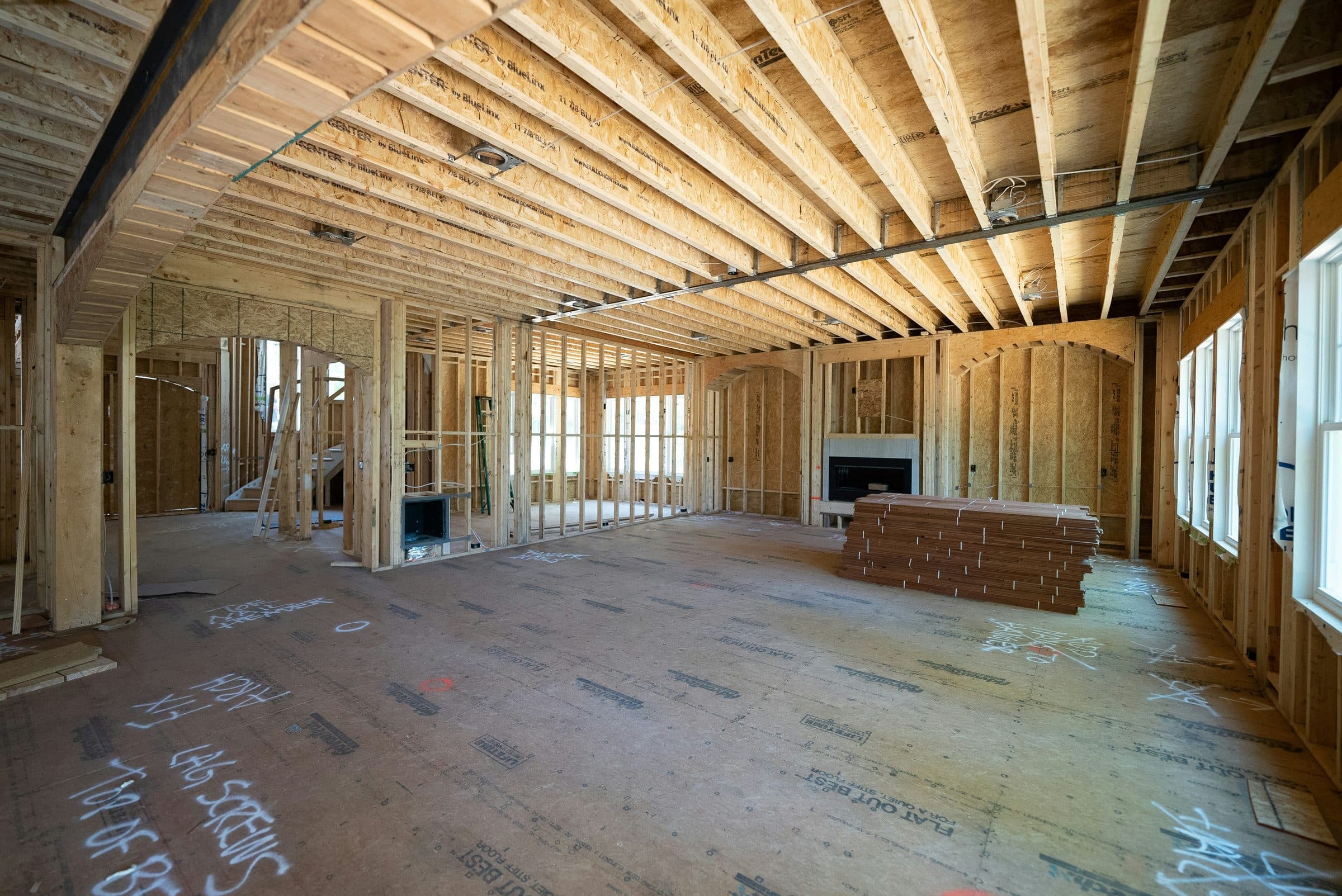
Unpermitted ADU California law
The rule is Government Code section 66311.7, which AB 2533 rewrote in 2024. It has six parts.
| Subdivision | What it does |
|---|---|
| (a) | A city or county can't deny a permit for an unpermitted ADU or JADU built before January 1, 2020, because it violates building standards, state ADU law or a local ADU ordinance |
| (b) | It can deny the permit if it finds that correcting the violation is necessary to meet the health and safety conditions in Health and Safety Code section 17920.3 |
| (c) | The protection doesn't apply to a building deemed substandard under section 17920.3 |
| (d) | The city must publish a checklist of substandard conditions and tell owners they can get a confidential third-party code inspection from a licensed contractor before applying |
| (e) | No impact fees or connection or capacity charges, unless utility infrastructure is needed to fix a substandard condition and the fee is otherwise allowed |
| (f) | A city inspector may inspect the unit and recommend health and safety fixes; the city can't penalize you for having the unit and must approve the permits to correct it |
In practice, that means a pre-2020 ADU that's too big, too close to the property line, or missing the parking a city once required can be permitted as it stands. What has to change are things like missing smoke alarms, unsafe wiring or a bedroom with no way out in a fire. For the rest of state ADU law, see California ADU laws.
Which units qualify
Two tests decide whether section 66311.7 helps you.
- It was built before January 1, 2020. You'll have to prove it. The City of San Diego accepts documents like contractor bills, utility or insurance records, code enforcement records, signed leases, real estate documents and dated photographs.
- It's actually an ADU or JADU. Under state law, an ADU is a unit with complete, independent living facilities: permanent provisions for living, sleeping, eating, cooking and sanitation. A converted room without a kitchen isn't one. A JADU is up to 500 square feet of interior livable space inside a single-family home. If you're unsure, start with what an ADU is.
The unit can be detached, attached or a conversion of existing space. A unit built in 2020 or later doesn't get this protection; it goes through a regular ADU permit and has to meet today's rules. Most of those rules are generous anyway, as our San Diego ADU permit guide explains.
What AB 2533 changed
The ban on denying permits for unpermitted ADUs began with legislation that took effect in 2023. According to HCD's ADU handbook, that version covered units built before January 1, 2018. AB 2533 (Chapter 834, Statutes of 2024) took effect January 1, 2025, and widened it.
| Provision | Under AB 2533 |
|---|---|
| Cutoff date | Moved from units built before January 1, 2018, to units built before January 1, 2020 |
| Public information | City must publish a substandard-conditions checklist and tell owners about confidential third-party inspections |
| Impact fees, connection and capacity charges | Barred, except utility work needed to fix a substandard condition |
| Penalties for the unpermitted unit | Barred when the city's inspector finds health and safety problems; the city must approve permits for the fixes |
The confidential inspection matters. You can hire a licensed contractor to look at the unit and estimate the work privately, before you apply. If the scope is bigger than you expected, you haven't started anything. Before you hire one, check a contractor's license.
What still has to be fixed
The exception that remains is health and safety, defined by Health and Safety Code section 17920.3, the state's list of conditions that make a building substandard. The City of San Diego turned that list into a checklist, Attachment A of Information Bulletin 242, and says any item that doesn't comply must be corrected as part of the permit.
| Category | Examples |
|---|---|
| Alarms | Smoke alarms and carbon monoxide alarms |
| Escape | Emergency escape and rescue openings from sleeping rooms |
| Sanitation | Working plumbing, ventilation, natural light, no mold |
| Structure | No structural hazards |
| Nuisances | Unsafe wiring, plumbing or mechanical equipment, weather protection, fire safety |
Work done after January 1, 2020, is treated differently. The city checks later work, including heating equipment, electrical equipment and water heaters, against current codes. The state handbook adds that building code and health and safety corrections are within the city's discretion, and that you should use the city's appeal process if you disagree with a correction or denial. For the code a new ADU must meet, see our ADU building code guide.
How to legalize an unpermitted ADU in San Diego
The City of San Diego's process is in Information Bulletin 242, updated May 2026. You apply for a building permit online and note in the scope of work that the project uses AB 2533. The application needs:
- Proof of the construction date, shown on the plans and backed by documents.
- A site plan with property lines, the unit's location, setbacks, lot coverage, easements, utility connections and fire access.
- A floor plan showing rooms, cooking appliances, toilet and sink, water heater, heating, smoke and CO alarms, exit doors, escape windows and GFCI outlets where required.
- Attachment A, the substandard-conditions checklist.
- The code enforcement case number, if you're applying because of a Building and Land Use Enforcement notice.
After the permit is issued, inspectors confirm the unit isn't substandard. Fees work like this under the bulletin:
| Fee | Applies under AB 2533? |
|---|---|
| Water and sewer capacity fees | No |
| Construction and demolition debris recycling deposit | No |
| Building, mechanical, electrical and plumbing permit fees | Yes, under the city's standard fee bulletins |
| School fees | May be charged by the school district |
The water meter isn't resized as part of the review, though the billing rate code may change.
Units the bulletin doesn't cover
- Unpermitted work in areas subject to the Coastal Act, which follows the city's coastal development rules instead. See our ADU coastal zone guide.
- Units the bulletin flags as ineligible for the streamlined path or needing extra documentation: those in a fault, landslide or liquefaction area, created by digging out under the floor, built with materials the building code doesn't allow, sitting on an easement, or attached to an apartment or commercial building.
Outside those streamlined criteria, the city may require architectural and structural plans, calculations or a soils report. Other cities in the county run their own process under the same state law; ask their building department for the section 66311.7 checklist they're required to publish.
Unpermitted garage conversions
Garage conversions are the most common unpermitted unit, and whether the law helps depends on what's inside.
- A full unit with a kitchen and bathroom, built before 2020, can qualify as an unpermitted ADU under section 66311.7. State law also says a city can't require you to replace the lost parking when a garage is converted to an ADU, according to HCD's handbook.
- A bedroom, office or gym with no kitchen isn't an ADU, so this protection doesn't apply. It needs an ordinary permit for the work, under current code.
- A conversion done in 2020 or later needs a regular permit either way.
If the space is close to a full unit, it can be worth finishing it as a permitted ADU. Our garage conversion ADU guide covers the upgrades a garage typically needs.
Selling a home with an unpermitted ADU
California sellers fill out a Real Estate Transfer Disclosure Statement, and the form asks the seller directly about three things that cover most unpermitted ADUs:
- Room additions, structural modifications, or other alterations or repairs made without necessary permits.
- Room additions, structural modifications, or other alterations or repairs not in compliance with building codes.
- Zoning violations, nonconforming uses and setback violations.
The form states that these are the seller's representations, not the agent's. If you know the unit wasn't permitted, the form asks you to say so.
Flips face an extra rule. For a single-family home where the seller accepts an offer within 18 months of taking title, and on or after July 1, 2024, Civil Code section 1102.6h requires the seller to disclose additions, alterations and repairs done by a contractor the seller hired, name the contractor, and hand over copies of any permits obtained.
A permitted unit is one less problem to disclose. For how ADUs affect a sale and appraisal, see our ADU real estate guide.
Legalize, delay or remove
| Option | When it fits | Watch out for |
|---|---|---|
| Legalize under section 66311.7 | Built before 2020 and not substandard | Health and safety fixes; proving the date |
| Legalize with a regular ADU permit | Built in 2020 or later, or outside the streamlined criteria | Full plans and current code; normal fees |
| Ask for a 5-year delay in enforcement | You've received a notice to correct and the problems aren't health and safety issues | Applications can't be approved on or after January 1, 2030 |
| Remove the unit or its kitchen | Fixes cost more than the unit is worth | Lost living space and rental income |
The delay option comes from Health and Safety Code section 17980.12. If you get a notice to correct violations at an ADU built before 2020, you can apply to delay enforcement for five years, and the agency must grant it if correcting the violation isn't necessary to protect health and safety. The notice itself has to tell you about this right. It buys time; it doesn't legalize the unit.
Leaving the unit as is carries the risks above: a code enforcement notice, a disclosure on sale, and tenants living with conditions no one has inspected. If you decide to legalize or rebuild, read how to hire an ADU contractor, check what an ADU costs in San Diego if a rebuild is on the table, or compare verified ADU builders in San Diego.
Common questions
Can I legalize an unpermitted ADU in California?
What is AB 2533?
Can I legalize an unpermitted garage conversion?
Will I be fined for an unpermitted ADU if I apply to legalize it?
Do I have to disclose an unpermitted ADU when selling?
Sources
- California Legislative InformationGovernment Code § 66311.7 (unpermitted ADUs)
- California Legislative InformationHealth and Safety Code § 17980.12 (delay of enforcement for ADUs)
- California Department of Housing and Community DevelopmentAccessory Dwelling Unit Handbook (March 2026)
- City of San Diego Development ServicesInformation Bulletin 242: How to Obtain a Permit to Legalize Unpermitted Accessory Dwelling Units (May 2026)
- Epsten APCCivil Code § 1102.6: Real Estate Transfer Disclosure Statement (form text)
- FindLawCivil Code § 1102.6h (disclosures on resales within 18 months)
General information, not legal or financial advice. Rules and fees change; confirm with your city's permit office before you rely on them.