ADU insurance at a glance
Most California homeowners policies follow the same structure. The California Department of Insurance's homeowners guide lists six parts: Coverage A for the dwelling, B for other structures, C for personal property, D for loss of use, E for personal liability and F for medical payments to others. Where your ADU lands depends on whether it's attached to the house and who lives in it.
| Situation | Coverage to look at | Watch for |
|---|---|---|
| Detached ADU, you or family live in it | Homeowners Coverage B (other structures) | The 10% limit is often far below the ADU's rebuild cost |
| Detached ADU rented to a tenant | Landlord (dwelling fire) policy, or an endorsement on your homeowners policy | Standard form excludes structures rented to non-tenants of the house |
| Attached ADU or junior ADU | Homeowners Coverage A (dwelling) | Raise the dwelling limit to include the new space |
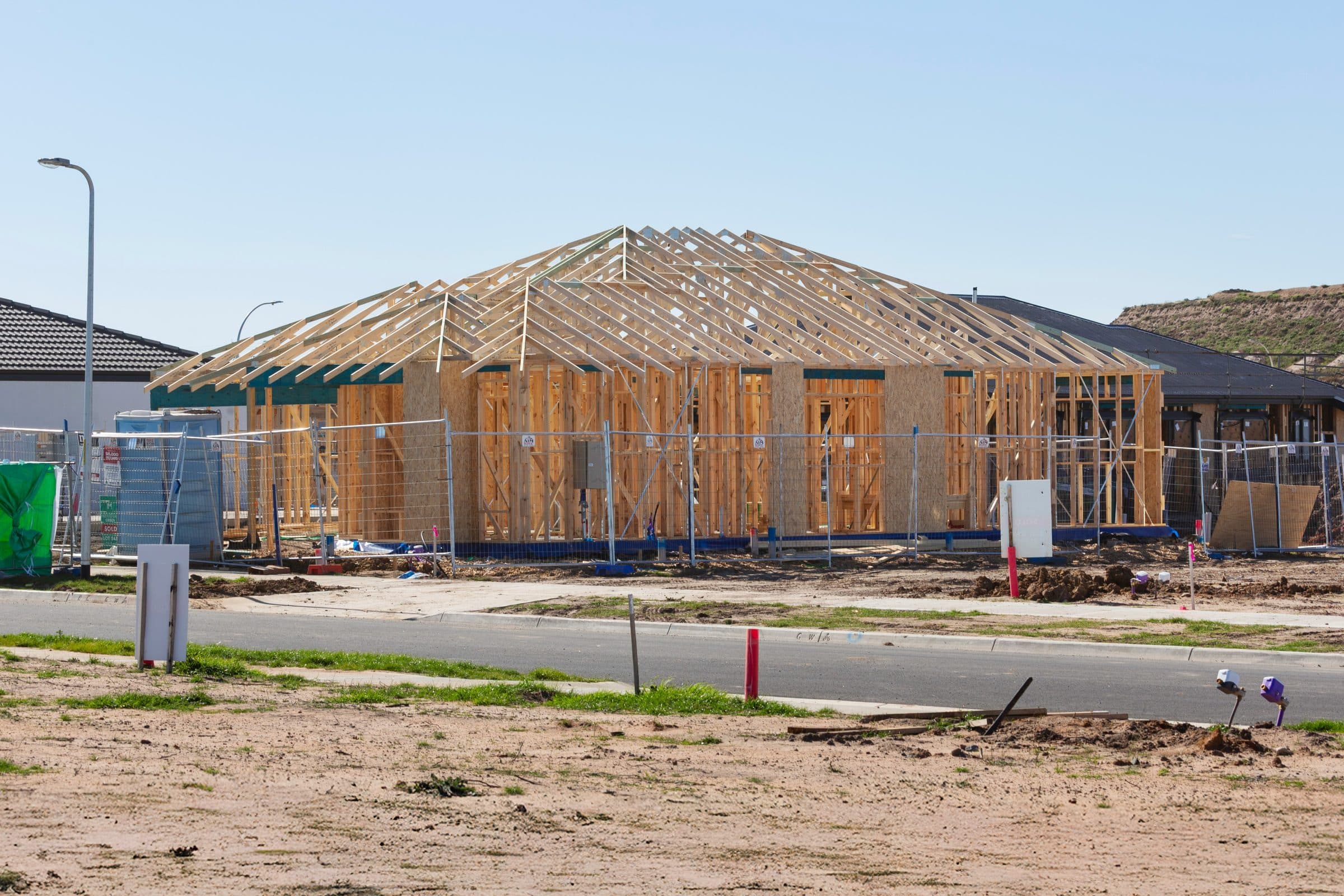
| Under construction | Your homeowners policy plus builder's risk; the contractor's liability and workers' comp | Theft of materials isn't covered by the standard form |
| Nightly or weekly rental | Home-sharing endorsement or a business policy | Not allowed for ADUs in the City of San Diego |
| Earthquake or flood damage | Separate earthquake or flood policy | Earthquake policies may not cover detached structures |
The details below rely on the standard HO-3 homeowners form, published by the Insurance Services Office and widely used as a model. Your insurer's wording may differ, so read your own policy and declarations page.
Does homeowners insurance cover an ADU?
Usually yes, but which coverage applies matters a great deal.
Detached ADUs fall under other structures
The state's insurance department explains that Coverage B protects “other structures on the residence premises that are not attached to the dwelling,” such as detached garages and sheds, and is “normally limited to 10% of the coverage A limit.” You can buy more for an extra premium. The HO-3 form counts a structure as separate if it's set apart by clear space or connected only by a fence, utility line or similar link, and using Coverage B doesn't reduce your dwelling limit.
That 10% is the problem. If your house is insured for $600,000, Coverage B tops out at $60,000 for every detached structure combined, including fences and sheds. Snap ADU's March 2026 San Diego prices put a 500-square-foot detached ADU at about $300,000. Without a higher limit or a separate policy on the ADU, a total loss could leave you most of the way short.
Attached ADUs and junior ADUs are part of the house
Coverage A protects “your house and attached structures,” in the department's words. An attached ADU, a converted attached garage or a junior ADU inside the house adds to the dwelling you've already insured, so the fix is to raise the dwelling limit to the new rebuild cost. Our guide to attached vs detached ADUs covers the other trade-offs.
Landlord insurance for a rented ADU
Renting changes the picture. The standard HO-3 form doesn't cover “other structures rented or held for rental to any person not a tenant of the dwelling, unless used solely as a private garage.” It also excludes other structures used for a business. A detached ADU rented to a tenant is exactly that kind of structure, so it can fall outside Coverage B unless your insurer adds it back.
What a landlord policy covers
The National Association of Insurance Commissioners describes a landlord policy, sometimes called a dwelling fire policy, as covering the building, other structures and the owner's possessions, plus lost rent if the home can't be lived in, and some liability. It does not cover the tenant's belongings. The NAIC says to expect to pay 10% to 25% more per year than for a homeowners policy; the Insurance Information Institute puts it at about 25% more. Those are comparisons, not quotes: ask for real prices on your property.
- Lost rent. The HO-3 form's “fair rental value” coverage pays rent you lose when a covered loss makes a rented part of the residence premises unfit to live in. Check whether your policy, or your landlord policy, extends that to the ADU.
- Liability. If a tenant or guest is hurt on the property, the institute says a landlord policy covers legal fees and medical expenses.
- Your tenant's things. Your policy won't cover them. Many landlords ask tenants to carry renters insurance.
- Furnishings you supply. The standard form gives only limited “landlord's furnishings” coverage, $2,500 per apartment on the residence premises in the sample policy.
Some insurers will endorse your homeowners policy to cover a rented ADU rather than sell a separate policy. Either way, put the rental in writing to your insurer before the tenant moves in. For the rest of the landlord picture, see renting out an ADU and ADU rental income in San Diego.
Builder's risk insurance for an ADU
The months of construction carry their own risks: a fire in a half-framed building, stolen lumber or appliances, a worker hurt on your lot.
Gaps in your homeowners policy
The standard HO-3 form excludes theft “in or to a dwelling under construction, or of materials and supplies for use in the construction until the dwelling is finished and occupied.” The Insurance Information Institute advises calling your agent before, or shortly after, construction starts and raising your coverage to reflect the higher value of the finished home.
What builder's risk does
Builder's risk is a property policy written for a building under construction. The Insurance Information Institute explains that it follows the building's value as work goes up, so a half-finished building is insured for the value built so far. Ask whether your contractor already carries it for your job; if not, ask your own agent. Settle in the contract who carries it and who pays the deductible. Our ADU contract checklist covers what else to put in writing.
Your contractor's insurance
| Coverage | Required? | What to ask for |
|---|---|---|
| Workers' compensation | Yes, if the contractor has employees | A certificate of insurance, or a clear answer on who employs the crew |
| Commercial general liability | No, but the contract must say whether they carry it | Insurer's name and phone so you can verify it |
| Liability insurance for an LLC licensee | Yes, at least $1 million for up to five personnel of record | The policy on the license record |
| Contractor's license bond | Yes | Check it's active on the license record |
Sources: the Contractors State License Board's hiring guide and its LLC licensing page. The board warns that if an uninsured worker is hurt on your property you could be liable, and your homeowners insurance “may or may not cover those costs.” Most contractors with no employees can still claim a workers' comp exemption until January 1, 2028. If you sign as an owner-builder, the City of San Diego warns you may be held liable for injuries to uninsured workers. The Insurance Information Institute adds that subcontractors may not be covered by the general contractor's workers' comp, so ask about each one.
Check a contractor's license to see bond and workers' comp status, and read how to hire an ADU contractor before you sign.
Short-term rentals
Renting by the night or week is treated as a business. The Insurance Information Institute says standard homeowners policies don't cover business activities in the home; some insurers allow short-term rentals if you notify them, while others require an endorsement. The NAIC warns that most homeowners and dwelling policies aren't designed to cover accidents from short-term rentals.
In the City of San Diego the question is mostly moot: the municipal code requires ADU rentals of at least 31 consecutive days, and state law bars junior ADU rentals of 30 days or less. See our guide to the ADU short-term rental rules.
Earthquake, flood and wildfire
Earthquake
Homeowners policies generally exclude earthquake and flood. Under California law, an insurer that writes your homeowners policy must offer you earthquake coverage for an extra premium, from that insurer, another insurer or the California Earthquake Authority. The CEA's homeowners policy describes coverage for “your house and structures attached to it.” If your ADU is detached, ask in writing whether it's covered.
Flood
Flood damage generally isn't covered by a homeowners or renters policy. The department points owners to the federal National Flood Insurance Program, which sells flood coverage in communities that enforce floodplain rules.
Wildfire and the FAIR Plan
If private insurers won't cover your property, the California FAIR Plan is the fallback. Its dwelling policy is named-peril: fire and lightning, internal explosion and smoke, with options such as vandalism at extra cost. It accepts one- to four-unit dwellings rented to a tenant for at least a year. The insurance department says the FAIR Plan provides no liability coverage, so owners often pair it with a “difference in conditions” policy.
The department's Safer from Wildfires program lists steps that qualify for insurance discounts. One is moving combustible outbuildings at least 30 feet from the home, and the department names accessory dwelling units among them. A detached ADU closer than that may cost you that particular discount. The other listed steps, such as a Class A roof, ember-resistant vents, enclosed eaves and 6 inches of noncombustible material at the base of walls, are easiest to build into a new ADU from the start.
How much coverage you need
Insure the ADU for what it would cost to rebuild, not what it would sell for. The department's guide makes these points:
- Land isn't covered. Homeowners insurance generally doesn't cover the value of the land, so market value is the wrong yardstick.
- Tell your insurer about changes in writing. Discuss any modification that could raise your home's replacement cost with your agent, broker or insurer.
- Get the estimate. If an insurer or agent gives you a replacement cost estimate, you're entitled to a copy.
- Know your policy type. Replacement cost and actual cash value policies pay very differently, and replacement cost policies vary.
- Code upgrades. Unless your policy includes it, the insurer may not pay to bring a rebuilt structure up to current building codes.
- Keep pace with costs. Ask whether your policy has an inflation guard that raises limits automatically.
Your final contract price is a reasonable starting point for the rebuild figure. For typical numbers, see what an ADU costs in San Diego. A finished ADU also adds to your property tax bill; our ADU property tax guide explains how much.
Questions to ask your insurer
- “Is my ADU covered under dwelling or other structures, and what's the limit?”
- “Does my policy cover it if I rent it to a long-term tenant?” If not, ask for an endorsement or a landlord policy quote.
- “Does it include lost rent?”
- “What changes while it's under construction, and do I need builder's risk?”
- “Is my liability limit enough with a tenant on the property?”
- “Does my earthquake policy cover a detached ADU?”
Before you build, compare verified ADU builders in San Diego and ask each one what insurance they carry.
Common questions
Do I need separate ADU insurance?
Does homeowners insurance cover an ADU I rent out?
Does landlord insurance cover my tenant's belongings?
Do I need builder's risk insurance for an ADU?
Does earthquake insurance cover a detached ADU?
Sources
- California Department of InsuranceResidential Insurance: Homeowners and Renters (consumer guide, updated May 2024)
- Insurance Information Institute (Triple-I)Homeowners 3 – Special Form, HO 00 03 10 00 (sample policy)
- National Association of Insurance CommissionersLeaving Home: Insurance Considerations for a Move
- Insurance Information Institute (Triple-I)Coverage for renting out your home
- Insurance Information Institute (Triple-I)Remodeling your home
- Insurance Information Institute (Triple-I)Insuring Your Business: Construction Contractors
- Contractors State License BoardHow do I find the right licensed contractor?
- Contractors State License BoardLicenses for Limited Liability Companies (LLC)
- Contractors State License BoardIndustry Bulletin 24-07: SB 1455 workers' compensation changes
- City of San Diego Development ServicesOwner-Builder Verification, form DS-3042
- National Association of Insurance CommissionersRenting Out Your Home? You Need Insurance Coverage for Home-Sharing Rentals
- City of San DiegoSan Diego Municipal Code § 141.0302, Accessory Dwelling Units
- California Legislative InformationGovernment Code § 66333 (junior ADUs)
- California Earthquake AuthorityHomeowners earthquake insurance
- California FAIR Plan AssociationDwelling policies
- California Department of InsuranceSafer from Wildfires
- Snap ADUADU Costs in San Diego (updated March 2026)
General information, not legal or financial advice. Rules and fees change; confirm with your city's permit office before you rely on them.