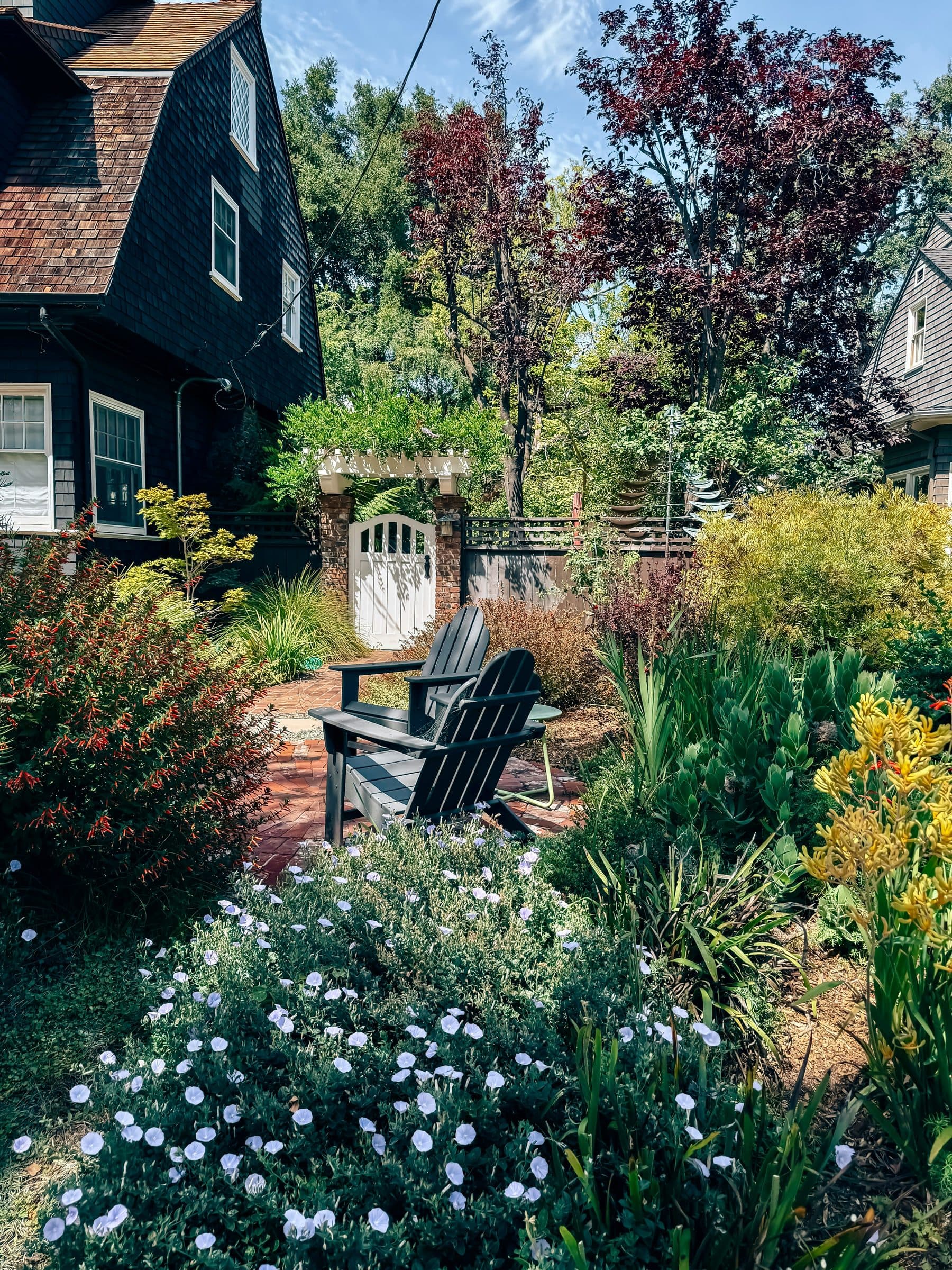
What is a granny pod?
“Granny pod” is the popular name for a compact, accessible cottage in the backyard of a relative's house. AARP describes granny pods as small homes for older adults who want to live near family without sharing a house, “designed for accessibility but are compact enough to fit in a backyard.”
Much of the early coverage featured the MEDCottage, a prefab unit from a Virginia company called N2Care. Voice of America reported in 2013 that the cottages were about 28 square meters (roughly 300 sq ft), cost $45,000 to $125,000, and came with medical extras: vital-sign monitors that sent readings to a doctor, a pill dispenser, floor lighting, cushioned floors and a walk-in shower with a seat.
Today the label covers almost any small unit marketed for a parent: modular studios, manufactured homes, kit cottages and tiny homes on wheels. Legally those are very different things, which is why the next section matters more than the brochure. If you're new to the topic, start with what an ADU is.
Are granny pods legal in California?
Yes, as long as the pod is permitted as an ADU. California defines an accessory dwelling unit as an attached or detached unit with “complete independent living facilities” and “permanent provisions for living, sleeping, eating, cooking, and sanitation” on a lot with a house. The same definition expressly includes an efficiency unit and a manufactured home. A furnished granny pod with a kitchenette and bathroom fits that description.
The state doesn't care what the seller calls it. HCD's ADU handbook says a “tiny home” is subject to ADU law only if it meets the statutory definition of an ADU. In practice, plan on a permanent foundation, construction to code and utility connections. Once it qualifies, you get the same rights as any ADU: a ministerial permit, the size and setback guarantees and limits on fees. Our guide to California ADU laws covers them in full.
Granny pods on wheels
A pod on a trailer is generally not an ADU, so it doesn't get those protections. Some cities allow it under a separate rule. San Diego's municipal code (§ 141.0318) allows one movable tiny house per lot, on top of any ADUs and JADUs, if it is:
- Registered with the DMV, one story, and certified to the NFPA 1192 RV or ANSI A119.5 park-model standard.
- Behind or beside the house, at least 5 feet from lot lines and 10 feet from other buildings, within 150 feet of a street at least 20 feet wide.
- Kept on its wheels with the wheels hidden, connected to water, sewer and power, with no gas.
- Outside brush management zones.
Rules for movable units vary by city, so ask your planning department before you buy anything with wheels.
California has no “temporary pod” permit like Virginia
Some states wrote a law just for this kind of unit. Virginia's temporary family health care structure statute allows a transportable unit of no more than 300 gross square feet for one impaired relative (or a couple), with no permanent foundation, a local permit fee capped at $100, and removal within 60 days after the relative no longer lives there. Articles about granny pods often describe that model. In California the question is simply whether the unit is an ADU.
Granny pod permits
A permanent granny pod goes through the same permit as any detached ADU. The key rules:
- Size. Every single-family lot can have one detached new ADU of up to 800 sq ft with 4-foot side and rear setbacks. In the City of San Diego, ADUs can be as small as 150 sq ft and as large as 1,200.
- Height. Cities must allow at least 16 feet for a detached ADU, which is plenty for one story.
- Timeline. The city has 15 business days to say if your application is complete and 60 days to approve or deny a complete one.
- Parking. None required within a half-mile walk of public transit, including a bus stop, and in several other cases.
- Fees. No impact fees for an ADU of 750 sq ft or less. The City of San Diego goes further and exempts the first two ADUs from development impact fees regardless of size.
- Owner occupancy. Not required for an ADU, so the pod stays legal if your parent moves out and you rent it. In the City of San Diego, ADU rentals must be at least 31 days.
A factory-built pod still needs a local permit for the foundation, utilities and set. The City of San Diego notes that the state solar requirement applies to newly built detached ADUs that are not manufactured homes. For the step-by-step process, see how to get an ADU permit in San Diego.
Granny pod vs ADU vs JADU
Most families choosing a granny pod are really choosing between three legal paths. A junior ADU is carved out of the house; an ADU is its own building; a pod on wheels sits outside ADU law.
| Pod on wheels | Granny pod as detached ADU | Junior ADU (JADU) | |
|---|---|---|---|
| Where | Backyard, on a trailer | Backyard, permanent foundation | Inside the house, incl. attached garage |
| Size | Set by local rules | 150–1,200 sq ft in San Diego; 800 guaranteed statewide | Up to 500 sq ft |
| Kitchen | Varies by unit | Full kitchen allowed | Efficiency kitchen |
| Bathroom | Varies by unit | Its own | Own or shared with the house |
| State ADU protections | No | Yes | Yes |
| Typical San Diego cost | No reliable published figure | $250,000–$450,000+ (Lars, Oct 2026) | $120,000–$200,000+ (Lars, Oct 2026) |
Sources: the ADU and JADU definitions, the JADU statute, San Diego's ADU size rules and Lars Remodel's October 2026 cost ranges. If your parent mostly needs a private bedroom and bath with family close by, a JADU can cost far less. Our granny flat vs ADU guide explains the naming, and attached vs detached ADUs compares the building options.
Granny pod cost
Older headlines quote prices that no longer reflect a permitted California unit. AARP put granny pod prices in 2017 at “under $50,000 to nearly $250,000,” depending on size and features. Current California figures are higher once foundation, utilities and permits are counted.
| Option | Size | Price | Source |
|---|---|---|---|
| Factory-built studio, all-in from | 385 sq ft | $298,800 | Abodu, Oct 2026 |
| Factory-built one-bedroom, all-in from | 500 sq ft | $324,800 | Abodu, Oct 2026 |
| Site-built detached ADU, San Diego | 500 sq ft | About $300,000 | Snap ADU, Mar 2026 |
| Detached ADU, San Diego | Varies | $250,000–$450,000+ | Lars Remodel, Oct 2026 |
| Junior ADU inside the house | Up to 500 sq ft | $120,000–$200,000+ | Lars Remodel, Oct 2026 |
Abodu's published pricing splits the unit (from $234,800 for the studio) from typical installation ($64,000), and quotes a $6,000 boundary survey and long trenching or crane runs separately. Snap ADU's published San Diego prices include design, permit management and about $35,000 of level-lot site work, but not city fees or a separate meter. Site work is where small units get expensive: Snap ADU puts a separate SDG&E meter at $10,500 to $15,000 and a sewer pump at about $5,000.
For more detail, read our prefab ADU guide, see what an ADU costs in San Diego, or estimate your cost with our ADU cost calculator.
Accessibility features
What makes a granny pod a granny pod is the design, not the permit. AARP's granny pod feature recommends a main-floor bedroom, a full bath with a raised toilet, a walk-in shower, grab bars, slip-resistant flooring, storage you can reach without a ladder, and a unit low to the ground with no steps. AARP's aging-in-place checklist adds:
- At least one no-step entry, with a ramp if the site needs it.
- Wider doors that let a wheelchair or walker pass.
- A handheld shower head and a bench or seat in the shower.
- Lever handles instead of round doorknobs.
- Good lighting, with switches at room entrances and night-lights in the bedroom and bathroom.
Medical devices such as monitors and pill dispensers are equipment, not construction, and can be added to any ADU.
Granny pods for sale: what to check
Search “granny pod for sale” and you'll find everything from permitted factory homes to shipping-container kits and trailers. Before you pay a deposit:
- Know what you're buying. A California modular unit carries an HCD insignia of approval; a manufactured home carries a HUD certification label. A unit with neither will be plan-checked like site-built work, or may not be permittable as an ADU at all.
- Check who installs it. The Contractors State License Board says a B (General Building) contractor can build or install ADUs and a C-47 contractor can install a manufactured-home ADU. Check a contractor's license before you sign.
- Cap the deposit. For work done by a contractor on your home, California law limits the down payment to $1,000 or 10%, whichever is less, with no payments ahead of completed work.
- Get the full price in writing: foundation, trenching distance, crane, utility hookups, permits, fees and survey.
- Confirm your lot works before the factory starts: access for delivery, setbacks, fire zone and slope.
If you'd rather have a local builder install a prefab pod or build one on site, compare verified ADU builders in San Diego.
Common questions
What is a granny pod?
Are granny pods legal in California?
How much does a granny pod cost?
Do I need a permit for a granny pod?
Can I put a granny pod on wheels in my backyard in San Diego?
Can I rent out a granny pod later?
Sources
- California Legislative InformationGovernment Code § 66313 (ADU and junior ADU definitions)
- California Legislative InformationGovernment Code § 66333 (junior ADUs)
- California Legislative InformationGovernment Code § 66323 (ADUs every city must approve)
- California Legislative InformationGovernment Code § 66321 (size, height and setback limits)
- California Legislative InformationGovernment Code § 66317 (permit timelines)
- California Legislative InformationGovernment Code § 66322 (ADU parking)
- California Legislative InformationGovernment Code § 66311.5 (ADU impact fees)
- California Legislative InformationGovernment Code § 66315 (owner occupancy)
- California Department of Housing and Community DevelopmentAccessory Dwelling Unit Handbook (March 2026)
- City of San DiegoSan Diego Municipal Code Ch. 14, Art. 1, Div. 3 (§§ 141.0302, 141.0318)
- City of San DiegoSan Diego Municipal Code § 142.0640 (development impact fees)
- City of San Diego Development ServicesInformation Bulletin 400: Accessory and Junior Accessory Dwelling Units
- Virginia Law LibraryVirginia Code § 15.2-2292.1 (temporary family health care structures)
- AARPGranny pods: small homes for older adults (September 11, 2017)
- AARPYour home checklist for aging in place
- Voice of America'Granny pods' let elderly live close to family (February 27, 2013)
- Contractors State License BoardFast Facts: Accessory Dwelling Units (Rev. 11/2025)
- California Legislative InformationBusiness and Professions Code § 7159.5 (down payments and progress payments)
- California Legislative InformationHealth and Safety Code § 19980 (insignia of approval)
- Electronic Code of Federal Regulations (HUD)24 CFR § 3280.11, Certification label
- AboduPricing
- Snap ADUADU Costs in San Diego (updated March 2026)
- Lars RemodelADU cost in San Diego (October 2026)
- Snap ADUCost drivers: ADU sitework
- ABC7 NewsAnchored Tiny Homes shuts down
General information, not legal or financial advice. Rules and fees change; confirm with your city's permit office before you rely on them.