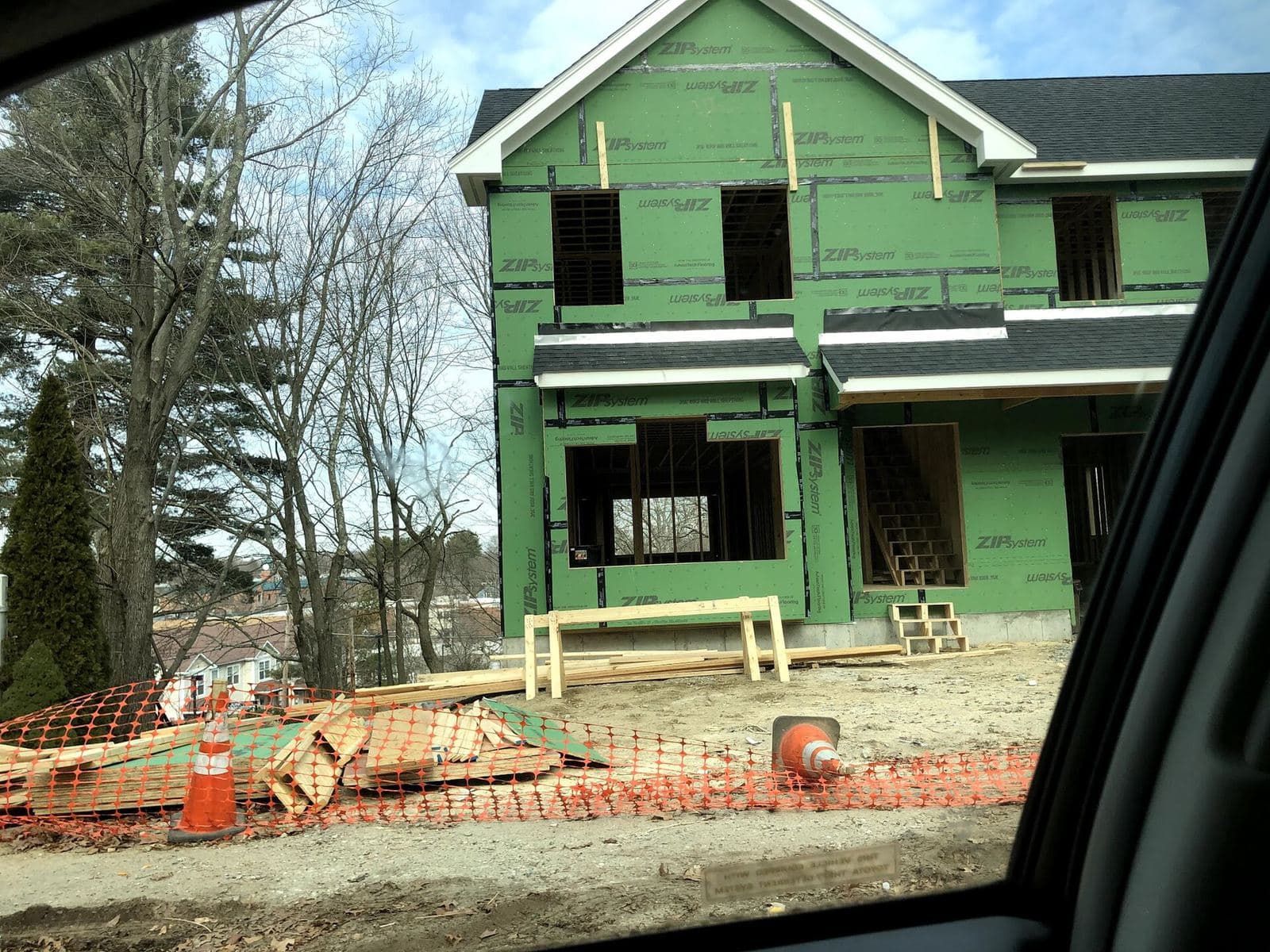
Four ways to build an ADU
| Method | Where it's built | Built to | Shipped as |
|---|---|---|---|
| Modular (factory-built) | Factory, then set on your foundation | California Building Standards Code | Finished boxes, craned in |
| Manufactured | Factory, on a steel chassis | Federal HUD code | Sections towed in on the chassis |
| Panelized | Panels in a factory, assembled on site | California code | Flat wall, floor and roof panels |
| Stick-built | Your yard | California code | Lumber and materials |
Sources: factory-built housing definition, manufactured home definition. All four can be ADUs. The state's ADU definition covers any dwelling with complete independent living facilities on a lot with a home, and expressly includes a manufactured home. For the full menu of prefab options, including tiny homes on wheels, see our guide to the prefab ADU in California, and for basics, what an ADU is. Tiny homes on wheels are a fifth option with different rules; see the tiny home ADU guide. And if you already have a garage, a garage conversion ADU skips the factory question entirely; our garage conversion cost guide has the numbers.
Which code each is built to
Modular ADU
California calls a modular unit factory-built housing: a dwelling wholly or substantially made off site so that its concealed parts can't be inspected on site without being taken apart. It's built to the same state building code as a house framed in your yard, and each unit must carry an HCD insignia of approval.
Manufactured ADU
A manufactured home in California is built on a permanent chassis, transportable in sections, and at least 8 feet wide or 40 feet long in transit, or 320 square feet when set up. It's built to the federal HUD code, which HUD describes as federally preemptive, and every section carries a HUD certification label. A federal law passed in July 2026, the ROAD to Housing Act, will let manufactured homes be built without a permanent chassis once HUD writes the standards.
Panelized and stick-built ADUs
Panelized ADU kits ship walls, floors and roof as panels. Whether a panel system falls under the state factory-built program turns on the same test: whether concealed parts can be inspected without disassembly. Open framing panels are usually plan-checked and inspected by your city like stick-built work. A stick-built ADU is framed on site and inspected at each stage.
Approvals and inspections
| Step | Modular | Manufactured | Panelized / stick-built |
|---|---|---|---|
| The structure | HCD-approved plans and factory inspection | HUD code, factory inspection, HUD label | City plan check |
| Zoning (size, height, setbacks) | City, under ADU law | City, under ADU law | City, under ADU law |
| Foundation and hookups | City permit and inspection | City permit for the foundation system | City permit and inspection |
| Walls opened for inspection on site | No | No | Yes, at each stage |
| Solar panels (City of San Diego) | Required on new detached ADUs | Not required | Required on new detached ADUs |
Your city must inspect the installation of factory-built housing. A manufactured home set on a foundation as part of the real property needs a building permit first. The solar row comes from San Diego's ADU bulletin, which notes the state solar requirement applies to newly built detached ADUs that are not manufactured. The permit itself follows the same clock for every type: a decision within 60 days of a complete application. For the San Diego steps, see how to get an ADU permit in San Diego.
Foundations
A modular ADU is set on a foundation designed for it and approved by your city, like a house. A manufactured ADU starts on its chassis. To count as part of the land, it has to be installed on a foundation system under Health and Safety Code section 18551, with a building permit. Once the installation is complete and an HCD Form 433A is recorded, the home becomes part of the real property. The Sacramento County Assessor explains that manufactured homes without a recorded 433A keep titles issued and tracked by HCD.
Snap ADU's October 2026 comparison notes that most manufactured homes need non-standard or raised foundations, and lists raised foundations as a drawback for modular units too. A raised floor means steps at the entry, which matters if the ADU is for an aging parent. Our guide to the ADU for seniors covers access.
Financing and appraisal
This is where modular and manufactured differ most. Fannie Mae's Selling Guide says an ADU can be site-built or factory-built, including modular, or a single- or multi-width HUD-code manufactured home that is legally classified as real property. For a manufactured ADU, the lender must verify it was built to the federal standards, is attached to a permanent foundation and is covered by the same mortgage as the main house, with photos of the HUD data plate or labels in the appraisal. If that documentation can't be produced, the loan isn't eligible for sale to Fannie Mae. The same section requires the main house to be site-built or modular when an ADU is present.
| Question | Modular ADU | Manufactured ADU |
|---|---|---|
| Eligible as an ADU on a Fannie Mae loan? | Yes | Yes, if real property on a permanent foundation |
| Extra paperwork | None beyond a normal ADU | HUD data plate or label photos in the appraisal |
| If the paperwork is missing | Not applicable | Loan not eligible for sale to Fannie Mae |
Lenders also set their own rules. Snap ADU, a site-built ADU builder, says few lenders work with manufactured ADUs and that prefab units can appraise lower than site-built ones. Ask your lender before you sign a purchase agreement. For loan types such as HELOCs, cash-out refinances and renovation loans, see our guide to ADU financing.
Property tax
Either way, you'll pay property tax on the new unit. In San Diego County, the assessor adds only the new construction to your assessed value; the existing house isn't reassessed. The Sacramento County Assessor explains how the categories differ: modular homes are classified as real property and aren't titled through HCD, while manufactured homes with a recorded 433A foundation are taxed “in the same manner as other site built homes.” More in our guide to ADU property tax.
Cost and timeline: modular, manufactured and stick-built
Published cost comparisons are scarce and mostly come from builders. Snap ADU's October 2026 comparison gives these vertical-build figures, which exclude site work, utilities and fees:
| Method | Vertical build cost | Build time |
|---|---|---|
| Manufactured | About $275/sq ft | 12–14 weeks in the factory |
| Modular | About $300/sq ft | 12–14 weeks (the article also cites 4–6 months in the factory) |
| Stick-built | $300–$450+/sq ft | 40+ weeks (Snap ADU says 28–36 for its own work) |
| Panelized | Not covered | Not covered |
Source: Snap ADU, which builds site-built ADUs. The same article says the overall timeline from contract to move-in is typically about the same for prefab and site-built, because permits and site work take the same time. Its turnkey survey put 800 sq ft two-bedroom prefab units at about $280K to $430K all-in. For San Diego site-built benchmarks, Snap ADU's published prices list a 750 sq ft detached ADU at about $350,000. Compare all-in quotes, not box prices; see what an ADU costs in San Diego and the ADU cost calculator.
Modular vs manufactured ADU: which to choose
| If you care most about… | Lean toward | Why |
|---|---|---|
| Mortgage or refinance later | Modular or stick-built | No extra HUD paperwork; a manufactured ADU must be real property on a permanent foundation |
| Lowest unit cost | Manufactured | Lowest per-sq-ft figure in the one published comparison |
| Fewest days of construction in your yard | Modular or manufactured | Built in a factory while permits run |
| Custom layout or a tricky lot | Stick-built or panelized | No crane or transport limits; any shape |
| Level entry for an older relative | Stick-built or slab-on-grade | Factory units often sit on raised foundations |
| Skipping rooftop solar (City of San Diego) | Manufactured | Solar requirement doesn't apply to manufactured ADUs |
Whatever you pick, someone licensed has to do the site work. The Contractors State License Board says a B contractor can build or install ADUs and a C-47 contractor can install a manufactured-home ADU. Check a contractor's license, read how to hire an ADU contractor, and compare published offers in our neutral list of prefab ADU companies in California. If you want a local general contractor, browse verified ADU builders in San Diego or our list of the best ADU builders in San Diego.
Common questions
Modular vs manufactured ADU: what is the difference?
Can I get a mortgage on a house with a manufactured ADU?
Is a modular ADU cheaper than stick-built?
Is a manufactured ADU real property in California?
What is a panelized ADU?
Sources
- California Legislative InformationGovernment Code § 66313 (ADU definitions)
- California Legislative InformationGovernment Code § 66317 (permit timelines)
- California Legislative InformationHealth and Safety Code § 18007 (manufactured home defined)
- California Legislative InformationHealth and Safety Code § 19971 (factory-built housing defined)
- California Legislative InformationHealth and Safety Code § 19980 (insignia of approval)
- California Legislative InformationHealth and Safety Code § 19992 (local inspection of installation)
- California Legislative InformationHealth and Safety Code § 18551 (manufactured home foundation systems)
- Electronic Code of Federal Regulations (HUD)24 CFR § 3280.11, Certification label
- U.S. Department of Housing and Urban DevelopmentThe Evolution of the HUD Code
- HousingWire21st Century ROAD to Housing Act becomes law
- Fannie MaeSelling Guide B2-3-04, Special Property Eligibility Considerations (10/08/2025)
- Sacramento County AssessorModular, Mobile, and Manufactured Homes
- San Diego County Assessor/Recorder/County ClerkReassessments
- City of San Diego Development ServicesInformation Bulletin 400: ADU and JADU
- Contractors State License BoardFast Facts: Accessory Dwelling Units (Rev. 11/2025)
- California Legislative InformationBusiness and Professions Code § 7159.5 (down payments)
- Snap ADUPrefab ADUs vs stick-built ADUs (October 2, 2026)
- Snap ADUADU Costs in San Diego (updated March 2026)
General information, not legal or financial advice. Rules and fees change; confirm with your city's permit office before you rely on them.